Home · Services · Indoor Air Quality & Filtration
Indoor Air Quality & Filtration in Clearfield, UT
Quick answer
During inversion weeks, valley air stays trapped and outdoor air is not worth inviting in, so filtration fitted to the system does the heavy lifting. Upgrades focus on filter surface area, sealing, and fan circulation rather than shelf gadgets.
Indoor Air Quality & Filtration in Clearfield starts with the local read: 1970s through 2000s subdivisions on the bench above the lake plain, with ductwork in hot attics and swamp-cooler history in the older streets. The Great Salt Lake side of the service area and the city's hot dry summers, cold inversion winters, and lake-effect snow bursts set the order of work, and the scope names that order in writing before anyone commits to a price.
How we approach this job
Diagnosis and insurance documentation: For indoor air quality & filtration in Clearfield, the buying situation is a problem with a cause: find the real source, document it with photographs and readings for any claim, and only then price the fix.
Signs you need indoor air quality & filtration
- A home that feels stuffy despite the system running. It usually means ventilation, not temperature, is the missing half; the system's air exchange is the read.
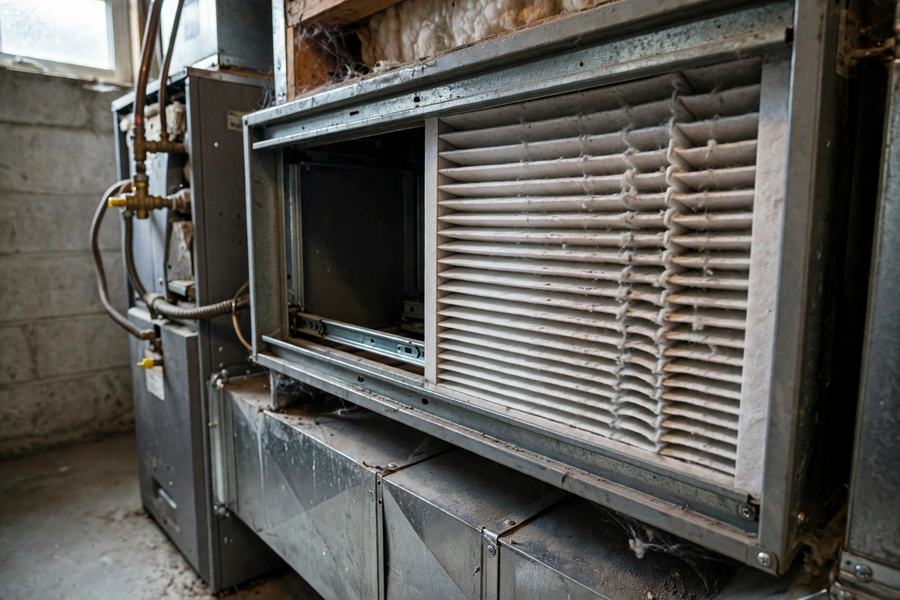
- Visible growth at vents or in the handler closet found during other work. It usually means the system has been seeding the house; air quality work starts inside the handler, not with a plug in device.
- Dust that returns to surfaces within days of cleaning. It usually means indoor humidity is sitting where growth and discomfort start.
- Allergy or asthma symptoms that ease when you leave the house. It usually means an event, smoke, inversion, or a season, is loading the home's air.
What the job involves
What affects the price
- Fault type: airflow, charge, controls, or a wear part at end of life
- System age and whether the repair buys real service years
- Duct condition and the rooms the system fails to serve
- Equipment size matched by load calculation, not by the old nameplate alone
- Permit and code items on replacement work
When it is an emergency
No heat in freezing weather, no cooling in extreme heat with infants or elderly residents at home, a burning smell, or a breaker that trips on startup are the emergency cases. Ice on lines and short cycling deserve a prompt visit before the compressor pays for the delay.
PLACEHOLDERIndoor Air Quality & Filtration across the Clearfield area
Related services
Emergency HVAC Service
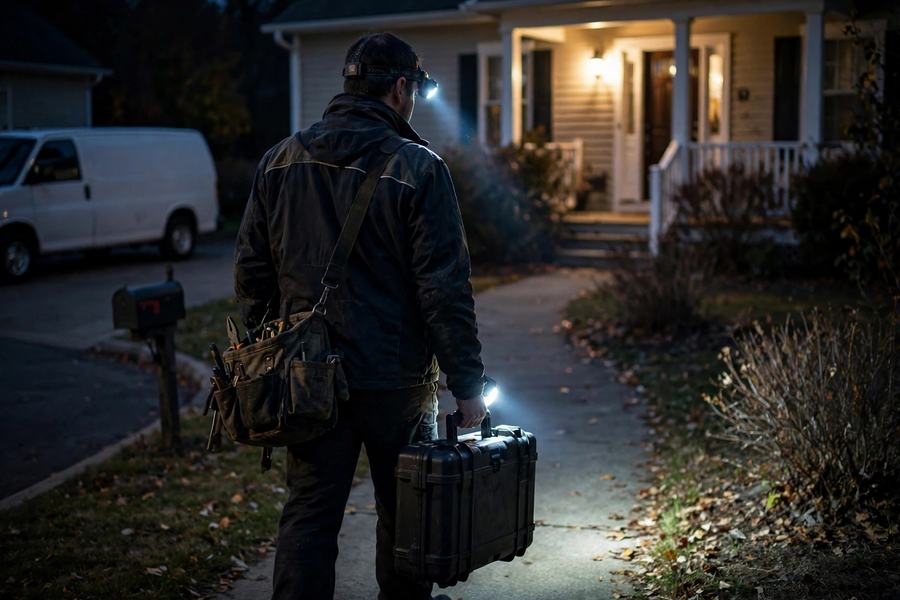
No heat during an inversion cold snap and no cooling in a bench heat run both count as urgent in Clearfield, for different reasons. Diagnosis follows the start sequence step by step, so the failed part gets named before any replacement talk begins.
Furnace & Heating Repair
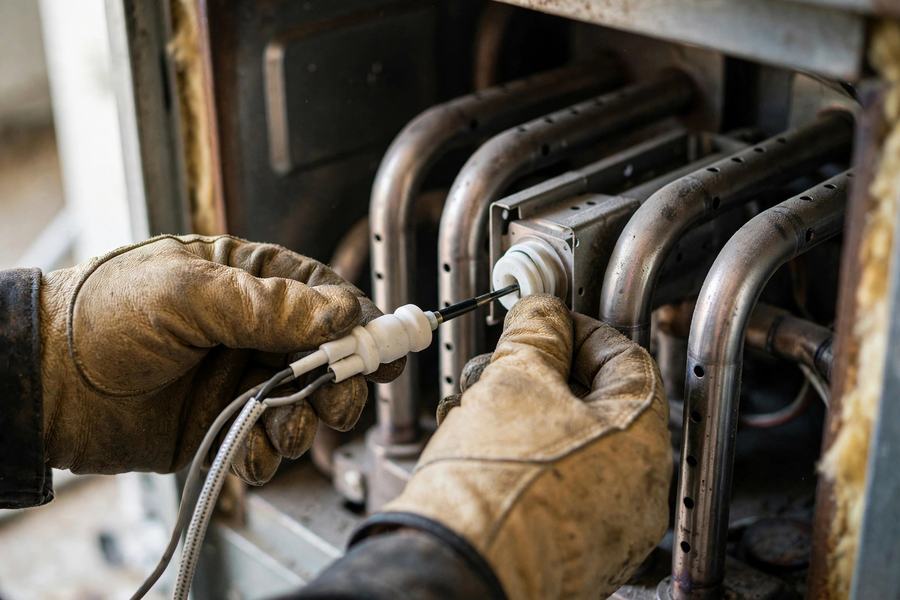
Clicking without heat, short runs, or a furnace that quits on the coldest nights points to a step in the ignition sequence rather than the thermostat in most cases. Testing covers the inducer, igniter, gas valve, and flame sensor in order.
HVAC System Replacement
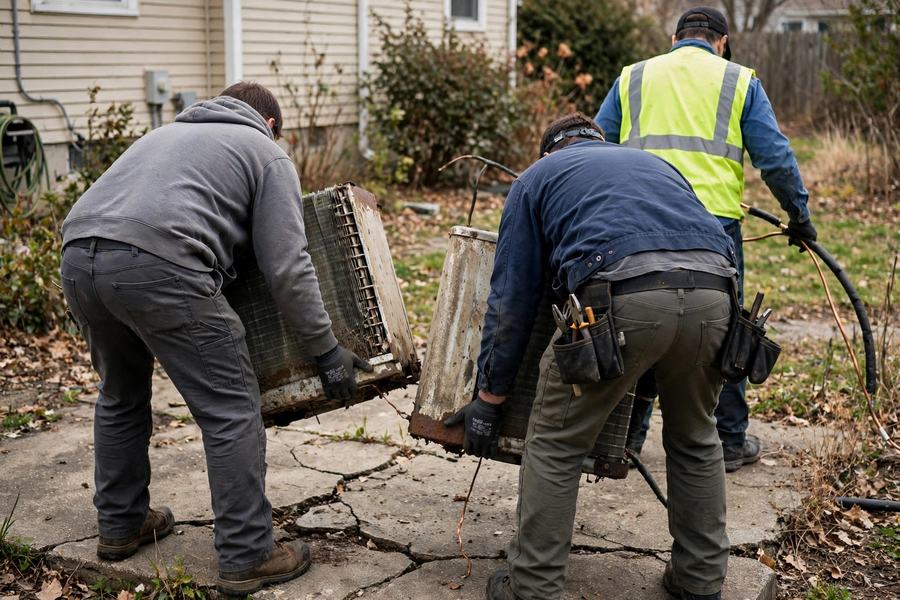
Replacing a furnace and cooling together as a matched set lets sizing reflect how Clearfield homes actually live, including hot attics and two-story temperature splits. Quotes separate equipment from duct corrections and venting changes, so differences between bids stay visible.
AC Repair
Air conditioning that blows warm, freezes up, or runs for hours without cooling gets traced through airflow, electrical parts, and refrigerant in that order. Clearfield attic ductwork bakes in summer heat, so a duct failure dumping cold air overhead stays on the checklist.
Indoor Air Quality & Filtration questions, answered
When is indoor air quality & filtration an emergency?
No heat in freezing weather, no cooling in extreme heat with infants or elderly residents at home, a burning smell, or a breaker that trips on startup are the emergency cases. Ice on lines and short cycling deserve a prompt visit before the compressor pays for the delay.
What affects the price of indoor air quality & filtration in Clearfield?
The main price factors for indoor air quality & filtration are covered in the cost section above. The contractor confirms the exact price in a written estimate after seeing the job, and nothing is owed until you approve it. The call and the referral are free.
Repair or replace: my system is 15 years old. How do I decide?
Try the arithmetic the trade commonly uses: multiply the repair quote by the age of the system in years. Totals past roughly 5,000 usually favor replacement, while totals well under that usually favor repair. A $400 repair on a 15-year-old system gives 6,000 and sits near the line, whereas a $1,800 compressor on that same system gives 27,000 and sits well past it. Weigh the supporting evidence too: which refrigerant an older cooling system uses, what condition the ducts are in, and whether this would be the first major repair or the third. Expect both a repair price and a replacement price in writing. A replacement pitch offered without a repair price is a sales call, not a diagnosis.
How much does a new HVAC system cost in Clearfield?
Published national guides commonly place full system replacement between $5,000 and $12,500 or more installed, with system size, efficiency tier, fuel type, and duct work deciding where a given Clearfield house falls. Most single-part repairs run $150 to $650, and a diagnosis visit runs $75 to $200. A trustworthy quote lists equipment, duct corrections, and electrical or venting changes as separate lines, because the duct line is where quotes for the same bench-subdivision house can quietly differ by thousands from one company to the next.
There is ice on my AC line and the coil looks frozen. What now?
Switch the cooling off and run only the indoor fan. A frozen coil is a symptom, most often of poor airflow from a filter, blower, or blocked vents, or of low refrigerant from a leak, and running the system while frozen puts the compressor, the priciest part in the system, at risk. Allow a full thaw, which takes hours rather than minutes, before anyone tests the system, because readings taken on a frozen coil mislead. Do not chip at the ice. If freezing returns after you change the filter, the cause sits on the refrigerant side or the blower side, and that calls for a diagnosis visit rather than another thaw.
Request a callback
Prefer to talk later? Leave your details and an independent local pro will call you back. No charge to you, no obligation.
Great Salt Lake Heating and Air is a free referral service. Submitting this form connects you with independent local contractors who provide the work.