Home · Services · Emergency HVAC Service
Emergency HVAC Service in Clearfield, UT
Quick answer
No heat during an inversion cold snap and no cooling in a bench heat run both count as urgent in Clearfield, for different reasons. Diagnosis follows the start sequence step by step, so the failed part gets named before any replacement talk begins.
Emergency HVAC Service in Clearfield starts with the local read: 1970s through 2000s subdivisions on the bench above the lake plain, with ductwork in hot attics and swamp-cooler history in the older streets. The Great Salt Lake side of the service area and the city's hot dry summers, cold inversion winters, and lake-effect snow bursts set the order of work, and the scope names that order in writing before anyone commits to a price.
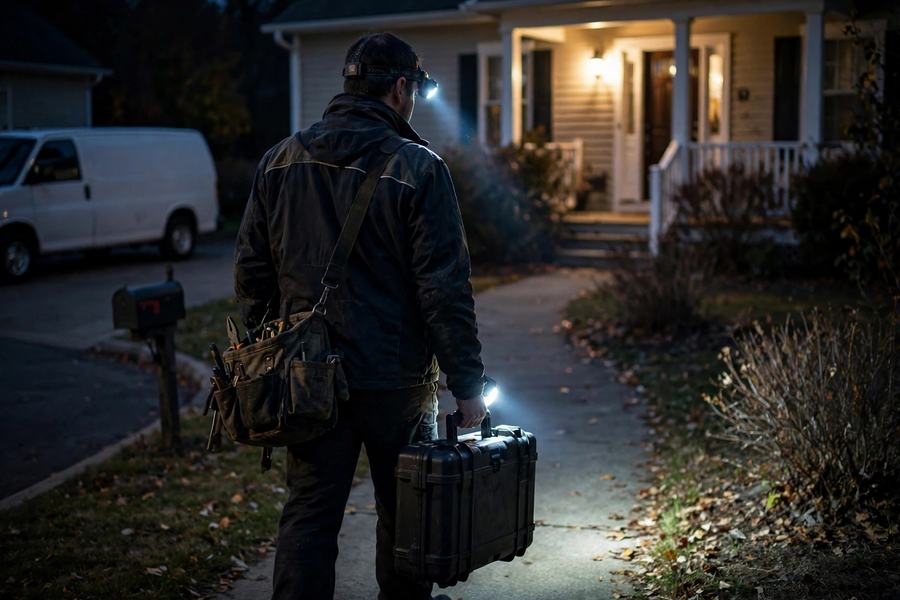
How we approach this job
Emergency response first: For emergency hvac service in Clearfield, the buying situation is urgency: stop the damage from growing, make the property safe, and document conditions before anything is disturbed.
Signs you need emergency hvac service
- No heat with overnight lows in the teens or single digits. It usually means the home is becoming unsafe for who is in it, which is the triage standard.
- No cooling during a heat wave with vulnerable people in the home. It usually means the freeze clock or the heat clock is already running on the house itself.
- Water pouring from an air handler or a condensate overflow. It usually means temporary heating or cooling to one room may be the right first job.
- A breaker that trips again every time the system starts. It usually means the system is drawing fault current: a shorted component or a dying compressor protecting itself through the breaker.
What the job involves
What affects the price
- Fault type: airflow, charge, controls, or a wear part at end of life
- System age and whether the repair buys real service years
- Duct condition and the rooms the system fails to serve
- Equipment size matched by load calculation, not by the old nameplate alone
- Permit and code items on replacement work
When it is an emergency
No heat in freezing weather, no cooling in extreme heat with infants or elderly residents at home, a burning smell, or a breaker that trips on startup are the emergency cases. Ice on lines and short cycling deserve a prompt visit before the compressor pays for the delay.
PLACEHOLDEREmergency HVAC Service across the Clearfield area
Related services
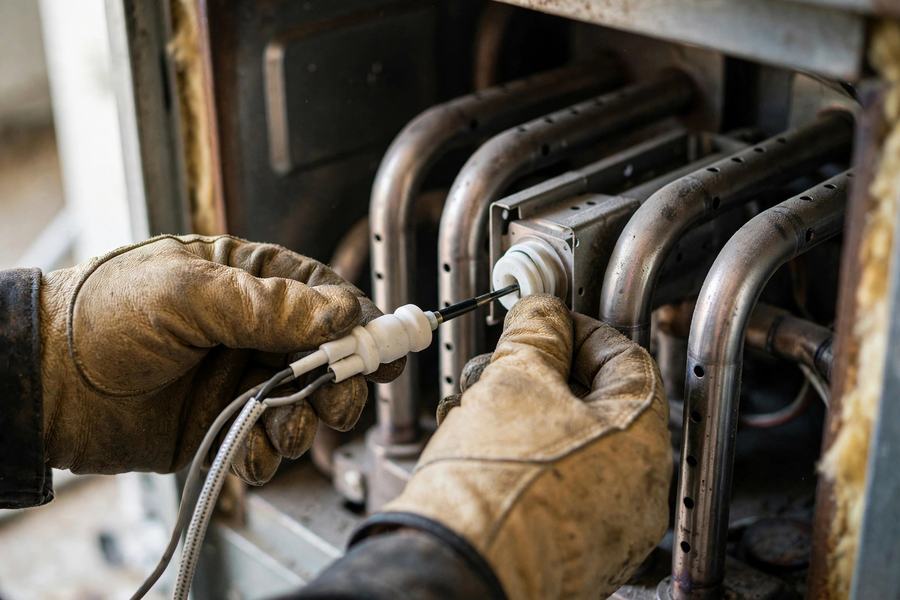
Furnace & Heating Repair
Clicking without heat, short runs, or a furnace that quits on the coldest nights points to a step in the ignition sequence rather than the thermostat in most cases. Testing covers the inducer, igniter, gas valve, and flame sensor in order.
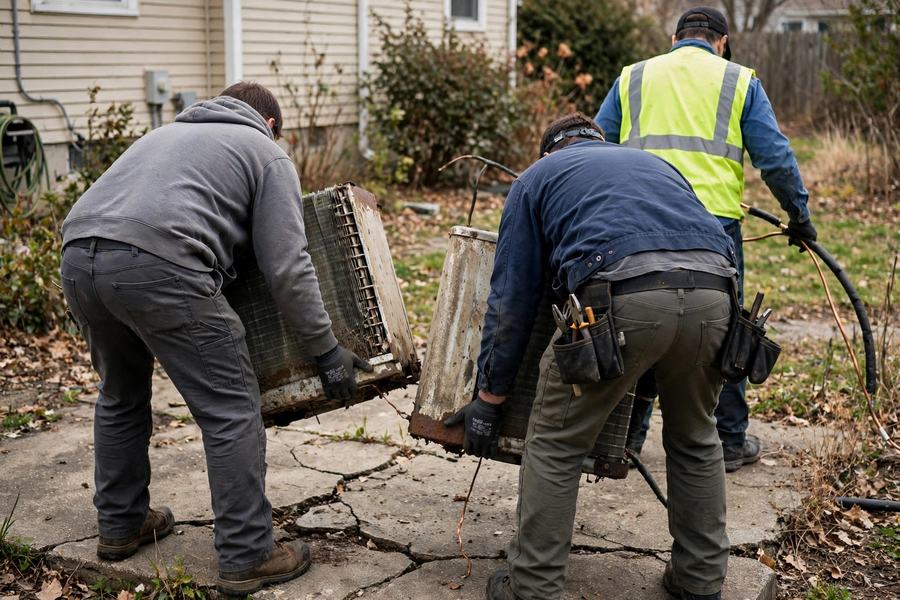
HVAC System Replacement
Replacing a furnace and cooling together as a matched set lets sizing reflect how Clearfield homes actually live, including hot attics and two-story temperature splits. Quotes separate equipment from duct corrections and venting changes, so differences between bids stay visible.
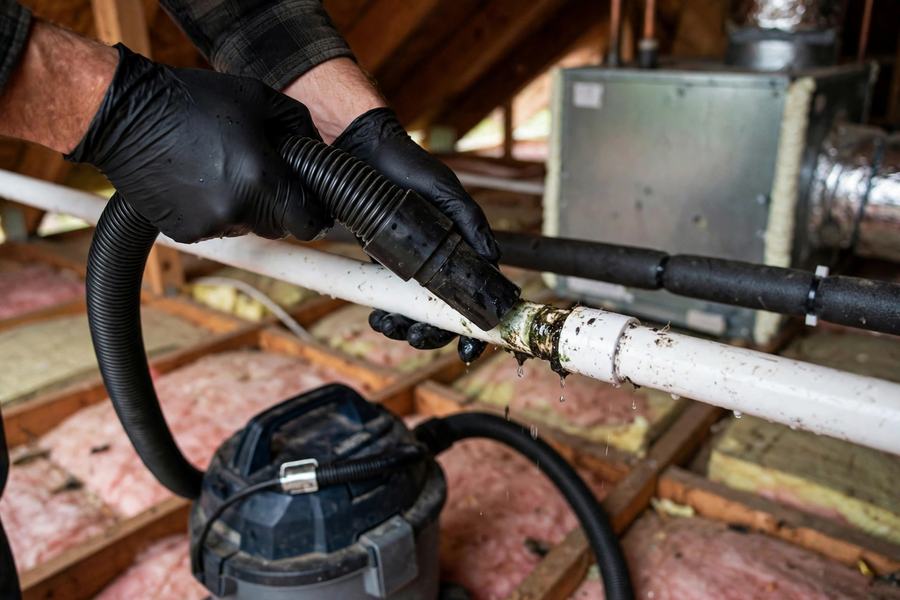
AC Repair
Air conditioning that blows warm, freezes up, or runs for hours without cooling gets traced through airflow, electrical parts, and refrigerant in that order. Clearfield attic ductwork bakes in summer heat, so a duct failure dumping cold air overhead stays on the checklist.
Heat Pump Repair & Installation
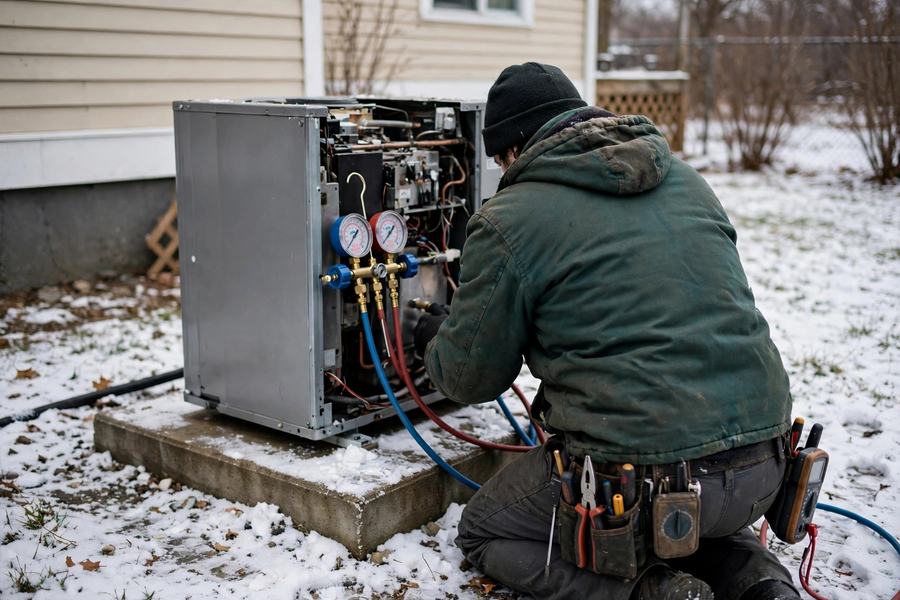
Heat pumps that ice over, lean on auxiliary heat, or blow lukewarm air in heating mode need defrost and refrigerant checks suited to Wasatch foothill winters. Cold snaps here test balance points, so settings and backup heat get reviewed together.
Emergency HVAC Service questions, answered
When is emergency hvac service an emergency?
No heat in freezing weather, no cooling in extreme heat with infants or elderly residents at home, a burning smell, or a breaker that trips on startup are the emergency cases. Ice on lines and short cycling deserve a prompt visit before the compressor pays for the delay.
What affects the price of emergency hvac service in Clearfield?
The main price factors for emergency hvac service are covered in the cost section above. The contractor confirms the exact price in a written estimate after seeing the job, and nothing is owed until you approve it. The call and the referral are free.
My AC runs but will not cool the house. What are the usual causes in Clearfield?
Several usual suspects explain it, in roughly the order they are found in Clearfield: restricted airflow from a clogged filter or blockage, a failed capacitor or fan part, low refrigerant caused by a leak, a frozen coil resulting from any of those, and duct problems spilling cooled air into a hot attic. Refrigerant is not used up in normal operation, so low charge means it is leaking somewhere. Long runtimes without reaching the thermostat setting, a familiar complaint in bench subdivisions, sort into that same list. If the coil is frozen, switch cooling off and run the fan to thaw it, and do not approve a refrigerant top-up without a leak search first, since refilling a leaking system buys a repeat visit, not a repair.
My furnace clicks but will not start. What is failing?
A furnace lights in a fixed sequence, and clicking without heat means one step failed: the inducer proves the vent is clear, the igniter glows or sparks, the gas valve opens, and the flame sensor confirms flame. A sensor coated with oxide, a cracked igniter, and a weakening inducer motor are the frequent findings in Clearfield homes, roughly in that order, and each is a part-level repair. The thermostat is rarely the culprit. At any point, if you smell gas, stop there: leave the house and contact the gas utility or emergency services before calling for repair.
Repair or replace: my system is 15 years old. How do I decide?
Try the arithmetic the trade commonly uses: multiply the repair quote by the age of the system in years. Totals past roughly 5,000 usually favor replacement, while totals well under that usually favor repair. A $400 repair on a 15-year-old system gives 6,000 and sits near the line, whereas a $1,800 compressor on that same system gives 27,000 and sits well past it. Weigh the supporting evidence too: which refrigerant an older cooling system uses, what condition the ducts are in, and whether this would be the first major repair or the third. Expect both a repair price and a replacement price in writing. A replacement pitch offered without a repair price is a sales call, not a diagnosis.
Request a callback
Prefer to talk later? Leave your details and an independent local pro will call you back. No charge to you, no obligation.
Great Salt Lake Heating and Air is a free referral service. Submitting this form connects you with independent local contractors who provide the work.